It started with a Plus
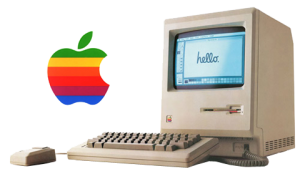
1986
Back in 1986 we were using Atari computers for working on our Music Projects. They were not much use for handling pure audio, but at that time it was all about MIDI sequencing, timecodes, and final recording to multitrack "reel to reel" magnetic tape.
Graphic design on desktop computers was still in its infancy with most design studios still using the traditional "lick and stick" paste-up methods of "cow gum and chemistry" with dark rooms, camera art and galley strips of text from which a film was made before transferring to a printing plate. Although, for a while we had been using Calamus on the Atari for desktop publishing, it was the Apple Mac computer which eventually became the real graphics workhorse. Sun workstations were also being used in some studios but their enormous cost was outside most people's reach. So when we eventually got hold of a Macintosh Plus and ran Photoshop version 1.0 for the first time, we could see this was the way things were heading for digital graphics.
Nine inch monochrome display 8MHz CPU and 2MB memory, with the Operating System, Programs, and files all stored on a single 800kB floppy, it wasn't what you would call fast, but it did the job. Its main advantage was in having SCSI, which meant it could communicate with a range of peripheral devices.
Things really started to get going once hard disks became available and the Macintosh SE along with the LaserWriter which utilised Adobe's new PostScript printing technology, were for a long period the machines which were the mainstay of the graphics industry. Aldus Pagemaker and Freehand were used to produce designs and layouts, with Adobe's Photoshop and Illustrator adding to the arsenal.
The Macintosh II, the CX and later the Quadra models delivered stunning graphics, albeit using expensive graphic cards to drive the larger colour monitors which were then available. Adobe Illustrator and Photoshop still continued as the programs of choice for the graphics professional, with Quark eventually replacing Pagemaker as the page layout software choice.